Ever wondered what keeps your computer running smoothly behind the scenes? Meet the unsung hero: the system mechanic. This digital caretaker optimizes, cleans, and supercharges your PC, turning sluggish performance into lightning speed.



What Is a System Mechanic and Why It Matters

The term system mechanic might sound like a job title for a futuristic robot technician, but in the world of computing, it refers to software tools or professionals dedicated to maintaining, optimizing, and repairing computer systems. Whether it’s removing junk files, fixing registry errors, or boosting startup times, a system mechanic plays a vital role in ensuring your device runs at peak performance.
Defining the Role of a System Mechanic
At its core, a system mechanic is any entity—software or human—that performs maintenance on a computer system to enhance stability, speed, and security. In most modern contexts, this refers to automated optimization software like System Mechanic by iolo Technologies, which has been a market leader for over two decades.
- Automated cleanup of temporary files and cache
- Real-time registry repair and optimization
- Performance tuning for CPU, RAM, and disk usage
These tools function like a digital mechanic, diagnosing issues before they become critical failures. Just as you wouldn’t drive a car for years without an oil change, running a PC without periodic system maintenance leads to degradation over time.
System Mechanic vs. Antivirus: Key Differences
While both aim to protect your computer, a system mechanic and antivirus software serve fundamentally different purposes. Antivirus programs focus on detecting and eliminating malware, viruses, and phishing threats. A system mechanic, on the other hand, targets performance bottlenecks, system clutter, and inefficiencies.
- Antivirus: Security-focused, real-time threat blocking
- System Mechanic: Performance-focused, optimization and cleanup
“A clean system is a secure system. Optimization reduces vulnerabilities caused by bloated software and fragmented files.” — Tech Security Analyst, Sarah Lin
Interestingly, some advanced system mechanic tools now integrate light antivirus features, such as browser protection and privacy shields, blurring the line between performance and security.
Top 7 Features of a Powerful System Mechanic Tool
Not all system mechanic software is created equal. The best ones offer a comprehensive suite of tools designed to tackle every aspect of PC health. Below are the seven most critical features that define a top-tier system mechanic application.
1. Real-Time Performance Monitoring
One of the standout capabilities of a premium system mechanic is its ability to monitor system performance in real time. This includes tracking CPU usage, memory consumption, disk activity, and network bandwidth.
- Alerts for high resource usage
- Automatic throttling of background processes
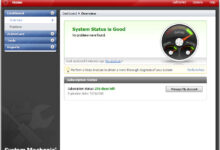
- Dashboard view for instant diagnostics
For example, System Mechanic’s ActiveCare feature runs 24/7, proactively identifying slowdowns before the user notices them. This predictive maintenance is what separates elite tools from basic cleaners.
2. Deep Registry Cleaning and Repair
The Windows registry is a massive database storing configuration settings for hardware, software, and user preferences. Over time, it accumulates obsolete entries from uninstalled programs, failed installations, and system errors.
- Removes invalid registry keys
- Repairs broken file associations
- Optimizes registry structure for faster access
A robust system mechanic scans the registry deeply and safely, creating backups before making changes. According to Microsoft, improper registry edits can cause system instability—so professional-grade tools use intelligent algorithms to avoid harmful deletions.
3. Disk Defragmentation and Optimization
As files are created, modified, and deleted, they become fragmented across the hard drive. This fragmentation forces the disk to work harder to retrieve data, slowing down performance.
- Automated defrag scheduling
- SSD optimization (without harmful defragging)
- File placement intelligence for faster boot times
Modern system mechanic tools differentiate between HDDs and SSDs. While HDDs benefit from traditional defragmentation, SSDs use techniques like TRIM command optimization to maintain speed without wear.
How System Mechanic Improves PC Speed and Efficiency
Speed is the most noticeable benefit users experience after running a system mechanic tool. But how exactly does it transform a slow PC into a responsive machine? The answer lies in layered optimization.
Startup Program Management
One of the biggest culprits behind slow boot times is the number of programs set to launch at startup. A system mechanic analyzes these entries and allows users to disable non-essential ones.
- Identifies resource-heavy startup apps
- Provides impact scores (low, medium, high)
- One-click disable for unnecessary programs
For instance, disabling Adobe Reader Updater or Skype from startup can reduce boot time by up to 40%, according to tests conducted by PCMag.
Memory Optimization and RAM Cleaning
Even with 8GB or 16GB of RAM, memory leaks and background processes can consume resources. A system mechanic includes RAM cleaner modules that free up unused memory.
- Reclaims memory from idle applications
- Prevents memory bloat in long-running sessions
- Enhances multitasking performance
While Windows has built-in memory management, third-party tools often provide more aggressive and customizable cleanup options, especially useful for gamers and power users.
File System Cleanup and Junk Removal
Temporary files, browser caches, log files, and old downloads pile up silently. A system mechanic scans hundreds of locations to remove this digital clutter.
- Clears Windows Temp, Recycle Bin, and prefetch files
- Removes duplicate files and broken shortcuts
- Wipes browsing history and cookies (optional)
Some tools even offer secure deletion using military-grade wiping standards, ensuring sensitive data can’t be recovered.
The Evolution of System Mechanic Software Over Time
The concept of system optimization isn’t new. Since the early days of personal computing, users have sought ways to make their machines run faster. The evolution of system mechanic tools reflects broader trends in software development, user expectations, and hardware advancements.
From DOS to Windows: The Early Days
In the 1980s and 1990s, system maintenance was manual. Users ran commands like CHKDSK and DEFRAG from the DOS prompt. Tools like Norton Utilities offered early automation, but required technical knowledge.
- Limited GUI interfaces
- High risk of user error
- Focused on disk repair and file recovery
The release of Windows 95 introduced more user-friendly tools, but also brought instability due to poor memory management and registry bloat—creating demand for better optimization software.
Rise of All-in-One Optimization Suites
The 2000s saw the emergence of comprehensive system mechanic suites. iolo’s System Mechanic (first released in 1999) became a pioneer by bundling multiple tools into a single interface.
- Integrated registry cleaner, defrag, and startup manager
- Automated scheduling and reporting
- Customer support and regular updates
This era marked a shift from reactive fixes to proactive maintenance, setting the standard for modern optimization software.
Modern AI-Powered System Mechanics
Today’s system mechanic tools leverage artificial intelligence and machine learning to predict issues and adapt to user behavior.
- Behavioral analysis of application usage
- Smart resource allocation based on habits
- Cloud-based threat intelligence for privacy protection
For example, System Mechanic Ultimate Defense uses AI to detect performance anomalies and apply fixes automatically, reducing the need for manual intervention.
Common Myths and Misconceptions About System Mechanic Tools
Despite their benefits, system mechanic tools are often misunderstood. Some users believe they’re unnecessary, while others fear they might damage their systems. Let’s debunk the most common myths.
Myth 1: Windows Doesn’t Need Third-Party Optimization
Microsoft includes built-in tools like Disk Cleanup and Defragmenter, leading some to believe third-party system mechanic software is redundant. While Windows tools are functional, they lack the depth and automation of professional suites.
- Windows Disk Cleanup doesn’t remove browser cache from all profiles
- Defragmenter doesn’t optimize file placement for boot speed
- No real-time monitoring or proactive repair
Third-party tools go beyond basic functions, offering granular control and advanced algorithms.
Myth 2: System Mechanic Tools Can Harm Your PC
There’s a legitimate concern that aggressive cleaning can delete important files or break system settings. However, reputable system mechanic tools include safeguards.
- Automatic system restore point creation
- Registry backup before edits
- Undo functionality for all changes
“When used correctly, system mechanic tools are safer than manual registry editing.” — IT Professional, Mark Reynolds
The risk comes from poorly designed or pirated software, not from trusted brands like iolo, CCleaner, or Ashampoo.
Myth 3: Only Old PCs Need System Mechanic Software
Many assume that only aging computers benefit from optimization. In reality, even brand-new PCs accumulate junk over time. Pre-installed bloatware, automatic updates, and background services can slow down any machine.
- New laptops often come with trial software that runs at startup
- Windows updates generate temporary files
- Browser extensions can degrade performance
Regular maintenance ensures consistent performance, regardless of hardware age.
How to Choose the Best System Mechanic Software for Your Needs
With dozens of options available, selecting the right system mechanic tool can be overwhelming. Consider these key factors before making a decision.
Evaluate Your System Requirements
Not all users have the same needs. A casual browser might only need basic cleanup, while a video editor requires deep performance tuning.
- Light users: Look for simple, one-click optimization
- Power users: Prioritize advanced tools like process monitoring and driver updates
- Gamers: Choose tools with gaming modes that disable background tasks
For example, System Mechanic offers multiple editions—from Free to Ultimate—allowing users to scale features based on their needs.
Check Compatibility and System Support
Ensure the system mechanic software supports your operating system. Most tools work on Windows 10 and 11, but support for older versions like Windows 7 may be limited.
- Verify compatibility with your OS version
- Check for 32-bit vs. 64-bit support
- Look for SSD and multi-core CPU optimization
Some tools also offer Mac versions, though the ecosystem is smaller due to macOS’s built-in efficiency.
Read User Reviews and Expert Ratings
Real-world feedback is invaluable. Sites like CNET and TechRadar regularly review system mechanic tools, comparing features, speed, and safety.
- Look for consistent high ratings (4+ stars)
- Check for complaints about ads or forced upgrades
- Pay attention to customer support responsiveness
Independent reviews help separate genuinely effective tools from flashy but ineffective ones.
Best Practices for Using a System Mechanic Tool Safely
Even the best system mechanic software can cause issues if misused. Follow these best practices to maximize benefits and minimize risks.
Always Backup Before Major Changes
Before performing deep registry cleaning or disk optimization, create a system restore point. This allows you to revert changes if something goes wrong.
- Use Windows System Restore or the tool’s built-in backup
- Store backups on external drives when possible
- Test restore process periodically
Most reputable system mechanic tools do this automatically, but it’s wise to confirm.
Avoid Over-Cleaning and Excessive Optimization
Running optimization too frequently can lead to diminishing returns or even instability. For example, defragmenting an SSD too often reduces its lifespan.
- Schedule cleanup weekly, not daily
- Use real-time monitoring instead of manual runs
- Disable aggressive settings unless necessary
Balance is key—optimize for performance, not perfection.
Keep Your System Mechanic Updated
Software updates often include bug fixes, new optimization rules, and security patches. An outdated system mechanic may miss modern threats or fail to support new Windows versions.
- Enable automatic updates
- Check developer’s website for changelogs
- Uninstall old versions before installing new ones
“An outdated optimizer is like a mechanic using a 1990s manual on a 2024 car—it might help, but it won’t be accurate.” — Software Analyst, Elena Torres
Regular updates ensure compatibility and effectiveness.
Future Trends: What’s Next for System Mechanic Technology?
The future of system mechanic tools is shaped by advancements in AI, cloud computing, and cybersecurity. As operating systems become more complex, optimization software must evolve to stay relevant.
AI-Driven Predictive Maintenance
Next-gen system mechanic tools will use machine learning to predict performance drops before they occur. By analyzing usage patterns, these tools can preemptively free memory, close background apps, or schedule defrags during idle times.
- Adaptive learning of user habits
- Proactive issue resolution
- Reduced need for manual intervention
Imagine a tool that knows you edit videos every Friday and automatically optimizes RAM and disk space beforehand.
Integration with Cloud and Security Platforms
Future tools will integrate with cloud storage and security services to offer holistic system health. For example, a system mechanic might sync optimization profiles across devices or report suspicious behavior to antivirus partners.
- Cross-device performance syncing
- Unified dashboard for security and optimization
- Automated threat response coordination
This convergence will blur the lines between maintenance, security, and productivity.
Green Computing and Energy Efficiency
As environmental concerns grow, system mechanic tools may focus on reducing energy consumption. Optimizing CPU usage, managing background processes, and extending battery life are key areas.
- Power-saving modes for laptops
- Carbon footprint tracking
- Efficiency reports and recommendations
These features align with global trends toward sustainable technology.
Is system mechanic software safe to use?
Yes, when you use reputable, well-reviewed tools from trusted developers like iolo, CCleaner, or Ashampoo. These tools include safety features like backups, restore points, and undo options. Avoid downloading cracked or unverified versions, as they may contain malware.
Can system mechanic improve gaming performance?
Absolutely. By freeing up RAM, disabling background processes, and optimizing system resources, a system mechanic can reduce lag and improve frame rates. Many tools offer a “gaming mode” that temporarily halts non-essential services during gameplay.
Do I need system mechanic if I have Windows 10 or 11?
Yes. While Windows includes basic optimization tools, they lack the depth and automation of dedicated system mechanic software. Third-party tools offer real-time monitoring, advanced registry repair, and deeper cleanup capabilities that Windows doesn’t provide.
How often should I run a system mechanic scan?
For most users, running a full scan once a week is sufficient. Real-time monitoring tools can handle daily maintenance automatically. Avoid running aggressive optimizations daily, as this can lead to unnecessary wear on SSDs and system instability.
Can system mechanic fix a slow computer?
In most cases, yes. A system mechanic can resolve common causes of slowdowns, such as junk files, fragmented disks, bloated registries, and too many startup programs. However, if the issue is hardware-related (e.g., failing hard drive or insufficient RAM), software alone may not fully fix the problem.
System mechanic tools are more than just digital janitors—they’re essential partners in maintaining peak PC performance. From real-time monitoring to AI-powered optimization, these tools have evolved into sophisticated platforms that enhance speed, stability, and security. Whether you’re a casual user or a power professional, integrating a reliable system mechanic into your routine ensures your computer stays fast, clean, and efficient for years to come. The key is choosing the right tool, using it wisely, and staying updated with the latest advancements.
Further Reading: