Ever felt your device slowing down or acting up? A simple system check could be the game-changer. This essential process helps uncover hidden issues, boost efficiency, and prevent costly breakdowns—whether it’s your PC, server, or industrial machine.



What Is a System Check and Why It Matters

A system check is a comprehensive evaluation of hardware, software, and network components to ensure optimal functionality. It’s like a health check-up for your tech—proactive, preventive, and powerful. Whether you’re managing a personal laptop or an enterprise server farm, regular system checks are non-negotiable for peak performance.
Defining System Check in Modern Tech
In today’s digital landscape, a system check goes beyond just rebooting your computer. It involves scanning for malware, verifying software updates, testing hardware integrity, and monitoring network stability. According to Microsoft’s diagnostics guide, a proper system check can detect up to 80% of preventable system failures before they escalate.
- It includes boot-time diagnostics, memory tests, and disk health scans.
- Modern OS like Windows 11 and macOS Monterey have built-in tools for automated system checks.
- Enterprise environments use advanced monitoring suites like Nagios or Zabbix.
Why Ignoring System Checks Is Risky
Skipping routine system checks is like driving a car without oil changes—it might run today, but failure is inevitable. Unchecked systems are prone to data corruption, security breaches, and unexpected downtime. A 2023 IBM report found that organizations without regular system monitoring faced 42% higher breach costs on average.
“Prevention is always cheaper than repair. A 10-minute system check can save hours of downtime.” — TechOps Lead, Google Cloud
The 7 Essential Steps of a Complete System Check
To perform a thorough system check, follow this structured 7-step framework. Each phase targets a different component, ensuring no stone is left unturned. This method works for personal devices, servers, and even IoT networks.
Step 1: Boot Diagnostics and Startup Analysis
The first sign of trouble often appears during startup. A slow boot or error messages can indicate deeper issues. Run a boot diagnostic to analyze what’s loading at startup and identify resource-hogging processes.
- Use Windows’ Event Viewer or macOS Console to trace boot errors.
- Disable unnecessary startup programs via Task Manager (Windows) or System Settings (Mac).
- Check BIOS/UEFI settings for incorrect boot order or disabled hardware.
Step 2: Hardware Health Assessment
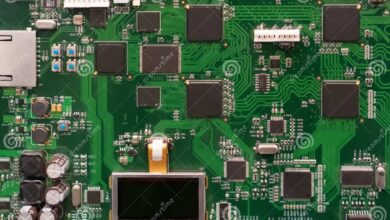
Hardware degradation is silent but deadly. Overheating, failing hard drives, or RAM errors can cripple performance. Tools like HWMonitor or Smartmontools provide real-time sensor data.
- Monitor CPU and GPU temperatures (ideal: below 80°C under load).
- Check SSD/HDD health using S.M.A.R.T. data.
- Run a memory test with MemTest86 to catch RAM faults.
Step 3: Software and OS Integrity Scan
Corrupted system files or outdated software can cause crashes and security holes. A system check must include a deep scan of the operating system’s core components.
- On Windows, run
sfc /scannowandDism /Online /Cleanup-Image /RestoreHealth. - On macOS, use First Aid in Disk Utility and verify system integrity via Terminal.
- Ensure all drivers are up to date using manufacturer tools or Windows Update.
System Check Tools: Free vs. Premium Options
Choosing the right tools is crucial for an effective system check. While built-in utilities are helpful, third-party software often provides deeper insights and automation.
Top Free System Check Tools
For budget-conscious users, several powerful free tools deliver professional-grade diagnostics.
- CCleaner: Cleans junk files and manages startup programs.
- Malwarebytes: Scans for malware missed by traditional antivirus.
- CrystalDiskInfo: Monitors disk health with color-coded alerts.
- Speccy: Provides detailed hardware specs and temperature tracking.
“Free tools can handle 80% of system check needs—just know their limits.” — PCMag Tech Review
Premium Tools for Advanced Diagnostics
For businesses or power users, investing in premium tools pays off in reliability and time savings.
- Norton Utilities: Offers disk optimization, registry repair, and performance tuning.
- AIDA64: Delivers comprehensive hardware diagnostics and stress testing.
- Acronis Cyber Protect: Combines system check with backup and ransomware protection.
System Check in Enterprise Environments
In large organizations, manual system checks aren’t scalable. Automated, centralized monitoring is essential for maintaining uptime and security across thousands of devices.
Automated Monitoring with RMM Tools
Remote Monitoring and Management (RMM) platforms allow IT teams to perform system checks across the network without physical access.
- Tools like ConnectWise RMM or Kaseya VSA automate patch management, backup verification, and health reporting.
- They send alerts when CPU usage exceeds thresholds or disk space drops below 10%.
- Integration with PSA (Professional Services Automation) tools streamlines ticketing and resolution.
Cloud-Based System Check Solutions
With the rise of hybrid work, cloud-based system checks are becoming standard. Platforms like Microsoft Intune or AWS Systems Manager enable real-time diagnostics for remote devices.
- They enforce compliance policies (e.g., requiring disk encryption or firewall status).
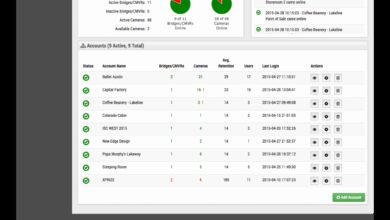
- Provide dashboards showing the health status of all connected endpoints.
- Support zero-touch deployment and remote remediation.
Preventive Maintenance Through Regular System Check
Reactive fixes cost more than preventive care. A scheduled system check routine reduces downtime and extends the lifespan of your devices.
Creating a System Check Schedule
Consistency is key. Whether daily, weekly, or monthly, a predictable schedule ensures nothing slips through the cracks.
- Personal users: Weekly quick scan, monthly deep check.
- SMBs: Daily automated checks, weekly reports.
- Enterprises: Real-time monitoring with hourly health snapshots.
Checklist Templates for Different Devices
Use standardized checklists to maintain uniformity across devices.
- Laptops: Battery health, Wi-Fi signal strength, fan noise, update status.
- Servers: RAID status, log errors, backup success rate, temperature logs.
- Mobile Devices: App permissions, storage usage, OS version, security patches.
Common System Check Errors and How to Fix Them
Even with the best tools, errors occur. Knowing how to interpret and resolve them is part of a successful system check.
Blue Screen of Death (BSOD) During Check
If a system check triggers a BSOD, it often points to driver conflicts or hardware failure.
- Solution: Boot into Safe Mode and uninstall recent drivers.
- Run
chkdsk /f /rto repair disk errors. - Check minidump files using BlueScreenView for root cause analysis.
High CPU or Memory Usage
Spikes during a system check may indicate background malware or inefficient software.
- Use Task Manager or Activity Monitor to identify rogue processes.
- Scan with Malwarebytes or Windows Defender Offline.
- Update or reinstall problematic applications.
Future of System Check: AI and Predictive Analytics
The next generation of system checks isn’t just reactive—it’s predictive. Artificial intelligence is transforming how we monitor and maintain systems.
AI-Powered Anomaly Detection
Modern AI tools analyze historical data to predict failures before they happen.
- Google’s DeepMind has been used to predict data center cooling failures.
- Tools like Dynatrace Davis AI detect performance anomalies in real time.
- Machine learning models learn normal behavior and flag deviations instantly.
Self-Healing Systems
The ultimate goal: systems that perform their own system check and fix issues autonomously.
- Windows Autopilot and macOS Recovery OS can reinstall the OS without user input.
- Enterprise systems use AI to reroute traffic during server outages.
- Future IoT devices may auto-replace failing components via firmware updates.
“The future of system check isn’t manual—it’s invisible, continuous, and intelligent.” — MIT Technology Review
System Check Best Practices for Every User
Regardless of your technical level, following best practices ensures your system stays healthy and secure.
Document Every System Check
Keep a log of each check, including date, findings, and actions taken. This helps track trends and justify upgrades.
- Use spreadsheets or dedicated tools like ServiceNow for enterprises.
- Note any recurring warnings (e.g., disk reallocated sectors).
- Share reports with IT teams or stakeholders for transparency.
Train Users on Basic System Check Skills
Empower non-technical users to perform basic checks. This reduces helpdesk load and improves response time.
- Teach how to check for updates and run antivirus scans.
- Provide simple guides for restarting services or clearing cache.
- Encourage reporting of unusual behavior (e.g., slow performance, pop-ups).
What is a system check?
A system check is a diagnostic process that evaluates the health and performance of hardware, software, and network components to ensure they are functioning correctly and efficiently.
How often should I perform a system check?
For personal devices, a quick system check weekly and a deep check monthly is recommended. Businesses should automate daily checks with real-time monitoring.
Can a system check fix my slow computer?
Yes. A system check can identify and resolve issues like bloated startup programs, disk fragmentation, malware, or failing hardware—common causes of slow performance.
Are built-in tools enough for a full system check?
For basic needs, yes. Windows and macOS have robust built-in tools. However, advanced users and businesses benefit from third-party tools for deeper analysis and automation.
What happens if I ignore system check warnings?
Ignoring warnings can lead to data loss, security breaches, hardware failure, and costly downtime. Early detection through system checks prevents these outcomes.
Performing a system check isn’t just a tech chore—it’s a critical habit for anyone relying on digital systems. From personal laptops to global cloud networks, regular diagnostics ensure reliability, security, and longevity. By following the 7-step framework, using the right tools, and embracing automation and AI, you can stay ahead of failures and optimize performance. Whether you’re a casual user or an IT pro, make system check a non-negotiable part of your digital routine.
Further Reading: