In today’s digital-first world, losing critical data can mean losing everything. A solid system backup isn’t just a safety net—it’s your business’s lifeline. Discover the smart, secure, and scalable ways to protect what matters most.




What Is a System Backup and Why It Matters

A system backup refers to the process of copying and archiving computer data so it can be restored in the event of data loss. This loss could stem from hardware failure, cyberattacks, accidental deletion, or natural disasters. The importance of a reliable system backup cannot be overstated—especially when 93% of companies that lose their data for more than 10 days go out of business within a year (according to FEMA).
Defining System Backup in Modern IT
In technical terms, a system backup captures the operating system, applications, settings, and user data, allowing for full restoration to a previous state. Unlike simple file copying, a true system backup ensures bootability and system integrity. It’s not just about saving files—it’s about preserving functionality.
Modern system backup solutions go beyond static copies. They include incremental backups, versioning, encryption, and cloud synchronization. These features ensure that data is not only preserved but also accessible, secure, and up-to-date.
Common Causes of Data Loss
Data loss doesn’t always come from dramatic events like fires or floods. More often, it results from everyday risks:
- Hardware failure: Hard drives fail. SSDs degrade. RAID arrays aren’t foolproof.
- Malware and ransomware: Cybercriminals encrypt or delete data, demanding payment for restoration.
- Human error: Accidental file deletion or misconfigured systems cause 23% of data loss incidents.
- Natural disasters: Floods, fires, and earthquakes can destroy physical infrastructure.
- Software corruption: Bugs, failed updates, or incompatible patches can render systems unusable.
Without a robust system backup, recovery from any of these scenarios can be slow, costly, or impossible.
“Data is the new oil, but unlike oil, it doesn’t run out. However, like oil, if not stored properly, it can cause a disaster—or be lost forever.” — Clive Humby, Mathematician and Data Science Pioneer
The 7 Core Types of System Backup Explained
Not all backups are created equal. Understanding the different types of system backup is essential for building a resilient data protection strategy. Each method has its strengths, weaknesses, and ideal use cases.
Full System Backup
A full system backup copies every file, folder, application, and system setting on a device. It’s the most comprehensive form of backup and serves as the foundation for other backup types.
Pros include complete data coverage and fast restoration times. However, full backups consume significant storage space and bandwidth, making them time-consuming and expensive if performed too frequently.
Best practice: Perform a full system backup weekly or monthly, depending on data change volume. Use it as a baseline for incremental or differential backups.
Incremental Backup
An incremental system backup only saves data that has changed since the last backup—whether that was a full or another incremental backup. This method drastically reduces storage needs and backup time.
For example, if you perform a full backup on Monday, an incremental on Tuesday captures only Tuesday’s changes. Wednesday’s incremental captures only Wednesday’s changes, and so on.
The trade-off? Restoration requires the full backup plus every subsequent incremental backup. If one link in the chain is corrupted, recovery fails. Therefore, reliability and verification are critical.
Differential Backup
Differential backups capture all changes made since the last full backup. Unlike incremental backups, they don’t reset after each backup.
Using the same weekly example: If the full backup is on Monday, Tuesday’s differential includes all changes from Tuesday. Wednesday’s differential includes changes from both Tuesday and Wednesday. This continues until the next full backup.
Restoration is faster than with incremental backups because it only requires the full backup and the latest differential. However, differential backups grow larger over time, consuming more storage as the week progresses.
On-Premises vs. Cloud-Based System Backup
One of the most critical decisions in designing a system backup strategy is choosing between on-premises and cloud-based solutions. Each has distinct advantages and drawbacks depending on your organization’s size, budget, and security requirements.
On-Premises System Backup: Control and Security
On-premises system backup involves storing data on local servers, NAS (Network Attached Storage) devices, or external hard drives within your physical location.
The primary advantage is control. You own the hardware, manage access, and don’t rely on internet connectivity for backups or restores. This is ideal for organizations with strict compliance requirements (e.g., healthcare, finance) or limited bandwidth.
However, on-premises solutions require upfront investment in hardware, ongoing maintenance, and physical security. They’re also vulnerable to local disasters—if the building burns down, so does your backup.
Popular tools include Veeam Backup & Replication and Acronis Cyber Protect, both offering robust on-premises capabilities.
Cloud-Based System Backup: Scalability and Accessibility
Cloud-based system backup stores data on remote servers managed by third-party providers like AWS, Google Cloud, or Microsoft Azure. This model offers unmatched scalability and geographic redundancy.
With cloud backups, you pay for what you use, avoiding large capital expenditures. Data is encrypted in transit and at rest, and most providers offer automated backup scheduling, versioning, and ransomware protection.
Restoration can be done from anywhere with an internet connection, making cloud backups ideal for remote teams and disaster recovery. However, long-term costs can add up, and slow internet speeds can delay large restores.
Top providers include AWS Backup, Google Cloud Storage, and Microsoft Azure Backup.
“The cloud is not a place, it’s a promise: the promise of infinite scalability, resilience, and accessibility. But only if your system backup strategy is built on trust, encryption, and redundancy.” — Werner Vogels, CTO of Amazon
Best Practices for an Effective System Backup Strategy
A system backup is only as good as the strategy behind it. Many organizations think they’re protected—until they try to restore and fail. Avoid common pitfalls with these proven best practices.
Follow the 3-2-1 Backup Rule
The 3-2-1 rule is the gold standard in data protection:
- 3 copies of your data: the original and two backups.
- 2 different media: e.g., hard drive and cloud, or SSD and tape.
- 1 offsite copy: stored in a different physical location to survive local disasters.
This rule ensures redundancy, diversity, and geographic separation—critical for surviving both technical failures and physical catastrophes.
Automate and Schedule Regular Backups
Manual backups are unreliable. People forget. Systems get busy. Automation eliminates human error.
Set up automated system backup schedules based on your data change frequency. For most businesses, daily incremental backups with a weekly full backup strike the right balance between protection and efficiency.
Use tools like cron jobs on Linux or Windows Task Scheduler to automate scripts, or leverage enterprise backup software with built-in scheduling.
Test Your Backups Regularly
Too many organizations assume their backups work—until they don’t. A backup that can’t be restored is no backup at all.
Conduct regular restore tests in a sandbox environment. Verify file integrity, bootability (for system images), and data consistency. Schedule quarterly or biannual disaster recovery drills to ensure your team knows what to do when real failure strikes.
According to a 2023 Veeam report, 76% of organizations experienced backup failures in the past year, but only 42% tested their backups monthly or more often.
System Backup for Businesses: Enterprise-Grade Solutions
For businesses, system backup isn’t just about data—it’s about continuity, compliance, and reputation. Enterprise environments require advanced tools that offer scalability, monitoring, and integration with existing IT infrastructure.
Centralized Backup Management
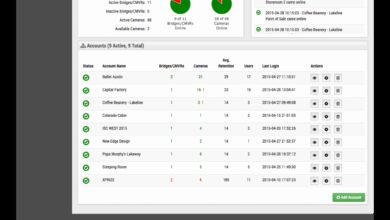
Large organizations can’t manage backups on a per-device basis. Centralized backup management allows IT teams to monitor, configure, and restore backups from a single dashboard.
Solutions like Druva and Cohesity offer cloud-native platforms that consolidate backup across endpoints, servers, SaaS apps, and cloud workloads.
Centralization improves visibility, reduces administrative overhead, and ensures policy consistency across departments.
Compliance and Data Governance
Industries like healthcare (HIPAA), finance (SOX), and government (FISMA) have strict data retention and protection requirements. A compliant system backup must include:
- Encryption at rest and in transit
- Immutable backups (cannot be altered or deleted)
- Audit trails and access logs
- Retention policies aligned with legal requirements
For example, HIPAA requires healthcare providers to maintain backups of electronic protected health information (ePHI) and test their disaster recovery plans annually.
Disaster Recovery and RTO/RPO
System backup is part of a larger disaster recovery (DR) plan. Two key metrics define recovery effectiveness:
- RTO (Recovery Time Objective): The maximum acceptable downtime after a failure.
- RPO (Recovery Point Objective): The maximum acceptable data loss measured in time (e.g., 1 hour of data loss).
For example, a financial trading platform might require an RTO of 15 minutes and an RPO of 5 minutes, necessitating real-time or near-real-time system backups.
Enterprise solutions often include DR orchestration, allowing automated failover to backup systems in the event of primary system failure.
System Backup for Home Users: Simple, Affordable, and Secure
You don’t need a corporate IT team to benefit from a solid system backup. Home users face the same risks—hard drive crashes, ransomware, accidental deletion—and often lack the technical knowledge to recover.
Built-in Tools: Windows Backup and macOS Time Machine
Both major operating systems offer free, built-in system backup tools:
- Windows Backup and Restore (Windows 7/10): Allows full system image creation and file history backup.
- Windows 11 File History: Focuses on user files but can be combined with third-party tools for full system imaging.
- macOS Time Machine: Automatically backs up the entire system to an external drive, including apps, settings, and documents.
Time Machine is particularly user-friendly, offering a timeline interface for restoring files from any point in time.
External Hard Drives and NAS for Local Backup
For home users, an external hard drive is the simplest way to perform a system backup. Plug it in, configure the backup software, and let it run.
For families or power users with multiple devices, a NAS (Network Attached Storage) device like those from Synology or QNAP offers centralized, automated backups over the network.
NAS devices can be configured for RAID redundancy, remote access, and even cloud sync, bridging the gap between local and cloud backup.
Cloud Backup Services for Personal Use
Cloud services like Backblaze, IDrive, and CrashPlan offer unlimited backup for a low monthly fee.
These services run silently in the background, encrypting data before upload and allowing restores from any device. They’re ideal for protecting against theft, fire, or flood—scenarios where local backups fail.
Backblaze, for instance, offers unlimited personal backup for $7/month and has restored over 50 billion files since 2008.
Emerging Trends in System Backup Technology
The world of system backup is evolving rapidly. New technologies are making backups faster, smarter, and more secure than ever before.
AI-Powered Backup and Anomaly Detection
Artificial intelligence is being integrated into backup systems to detect unusual behavior—like sudden mass file deletions or encryption patterns typical of ransomware.
AI can predict hardware failures by analyzing disk health metrics and trigger preemptive backups. It can also optimize backup schedules based on usage patterns, reducing resource consumption.
For example, Cohesity’s AI engine scans backup data to identify vulnerabilities, classify sensitive information, and recommend security improvements.
Immutable and Air-Gapped Backups
As ransomware attacks grow more sophisticated, traditional backups are no longer enough. Immutable backups cannot be altered or deleted for a set period, even by administrators with high-level access.
Air-gapped backups are physically or logically isolated from the network, making them unreachable by malware. They can be implemented using tape storage, offline drives, or cloud-based object lock features (e.g., AWS S3 Object Lock).
These methods are becoming standard in high-risk environments and are recommended by cybersecurity agencies like CISA.
Zero-Trust Backup Architectures
The zero-trust security model—“never trust, always verify”—is now being applied to backup systems. This means:
- Multi-factor authentication for backup access
- End-to-end encryption with customer-managed keys
- Continuous monitoring of backup activity
- Role-based access control (RBAC)
Zero-trust backup ensures that even if an attacker gains network access, they cannot compromise the backup infrastructure.
How to Choose the Right System Backup Solution
With so many options available, selecting the right system backup solution can be overwhelming. The best choice depends on your specific needs, budget, and technical expertise.
Assess Your Data Volume and Growth Rate
Start by inventorying your data. How much do you have? How fast is it growing? A small home office with 500GB of data has different needs than an enterprise with 50TB.
Consider future growth. A solution that works today may become prohibitively expensive or slow in two years. Scalability is key.
Evaluate Recovery Needs: RTO and RPO
Ask yourself: How quickly do you need to recover? How much data can you afford to lose?
For a freelance photographer, losing a day’s work might be inconvenient. For a hospital, losing an hour of patient data could be life-threatening. Your RTO and RPO should guide your backup frequency and method.
Compare Cost vs. Value
Don’t just look at price. Consider total cost of ownership (TCO), including hardware, software licenses, cloud storage fees, and administrative time.
A $5/month cloud backup might seem cheap, but if it lacks versioning or takes days to restore, its value is low. Conversely, a $10,000 enterprise solution might save millions in downtime.
Always weigh cost against risk, recovery speed, and ease of use.
What is the difference between a file backup and a system backup?
A file backup only copies specific files and folders, such as documents or photos. A system backup, on the other hand, captures the entire operating system, including installed applications, system settings, and user data. This allows for full system restoration, making it possible to recover from complete hardware failure or OS corruption.
How often should I perform a system backup?
For most users, a daily incremental backup combined with a weekly full system backup is ideal. Businesses with high data change rates may need more frequent backups—even hourly or real-time. The key is aligning backup frequency with your Recovery Point Objective (RPO).
Can I use both cloud and local backups together?
Absolutely. In fact, combining cloud and local backups is recommended under the 3-2-1 rule. Local backups offer fast restores, while cloud backups provide offsite protection. This hybrid approach maximizes both speed and security.
What is an immutable backup, and why is it important?
An immutable backup is a copy of data that cannot be modified or deleted for a specified period. It’s crucial for protection against ransomware and insider threats. Even if attackers gain access, they can’t encrypt or erase immutable backups.
Is system backup the same as data recovery?
No. System backup is the process of creating copies of data. Data recovery is the process of retrieving and restoring that data after loss. Backup is prevention; recovery is the response. Both are essential parts of a complete data protection strategy.
System backup is not a luxury—it’s a necessity in our data-driven world. Whether you’re a solo freelancer or a multinational corporation, the risk of data loss is real and growing. By understanding the types of backups, following best practices like the 3-2-1 rule, and leveraging modern tools from cloud services to AI-powered platforms, you can build a fortress around your digital assets. The cost of backup is minimal compared to the cost of loss. Start today, test regularly, and sleep soundly knowing your data is safe, secure, and always within reach.
Further Reading: